Can Diabetes Affect Your Vision? Why Regular Diabetic Eye Exams Matter
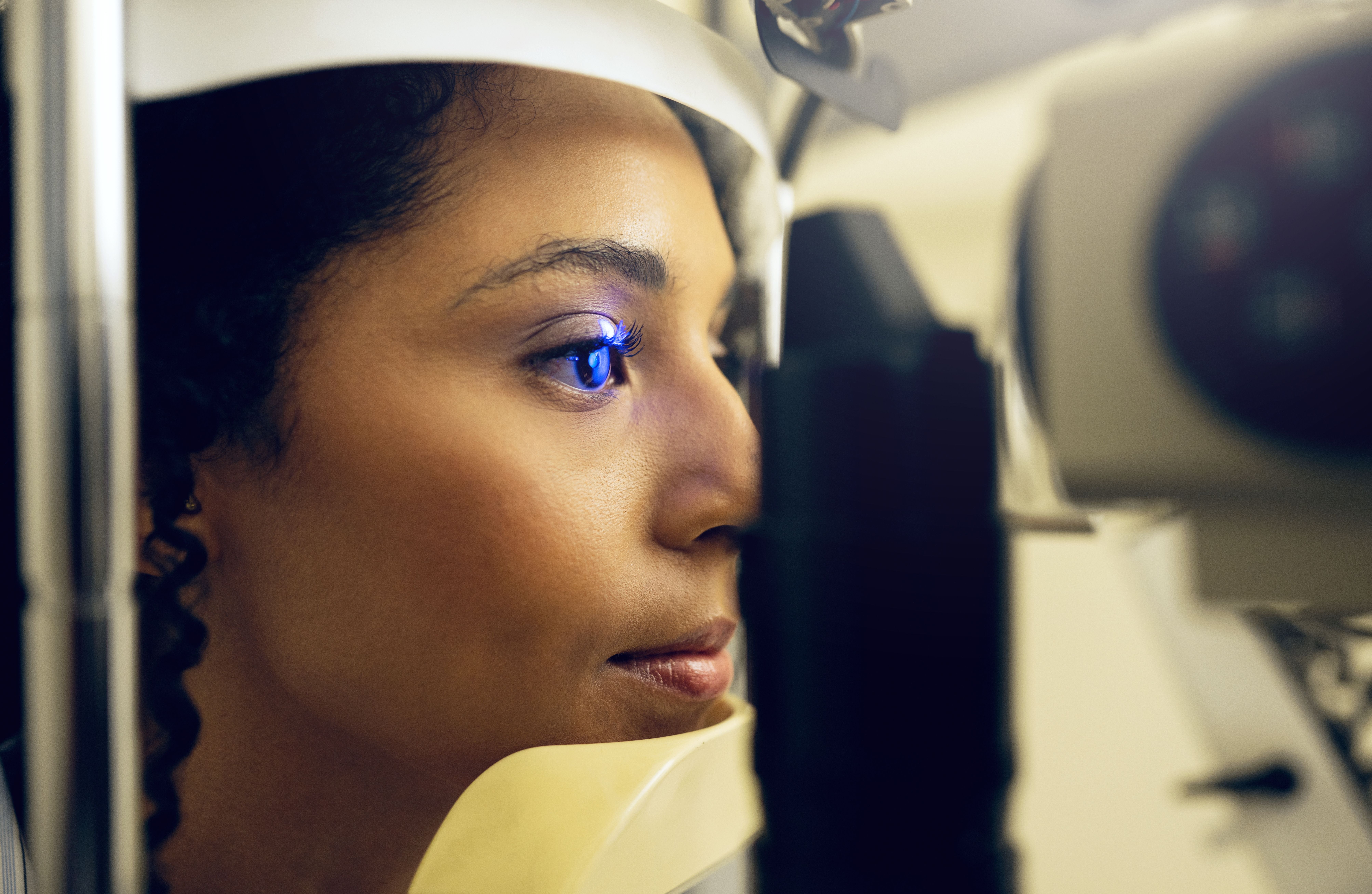
Diabetes affects millions of Americans and can impact nearly every system in the body - including your eyes. While many people focus on managing blood sugar levels, fewer realize how closely diabetes and vision health are connected. Over time, elevated blood sugar can damage the delicate blood vessels in the eyes, potentially leading to serious and even permanent vision loss.
At Longa Family Eyecare, we emphasize the importance of routine diabetic eye exams to protect and preserve your sight.
How Diabetes Impacts Your Vision
Diabetes can damage the small blood vessels in the retina, the light-sensitive tissue at the back of the eye responsible for processing images. When these vessels weaken, leak, or become blocked, vision problems can develop - often without noticeable symptoms at first.
Some of the most common diabetes-related eye conditions include:
Diabetic Retinopathy - This condition occurs when high blood sugar damages the retinal blood vessels. In early stages, there may be no warning signs. As it progresses, it can cause blurred vision, floaters, and even blindness if left untreated.
Diabetic Macular Edema (DME) - DME develops when fluid builds up in the macula - the part of the retina responsible for sharp central vision. This can make everyday tasks like reading, driving, and recognizing faces more difficult.
Cataracts - People with diabetes are more likely to develop cataracts earlier in life. Cataracts cause the eye’s natural lens to become cloudy, leading to blurry or dim vision.
Glaucoma - Diabetes increases the risk of glaucoma, a condition that damages the optic nerve, often due to increased eye pressure. Without early treatment, glaucoma can lead to permanent vision loss.
Why Regular Diabetic Eye Exams Matter
A diabetic eye exam is more than a routine vision check - it is a comprehensive evaluation specifically designed to detect diabetes-related changes in the eyes.
Here’s why these exams are essential:
Early Detection Before Symptoms Appear - Diabetic eye disease often develops silently. Many patients have no noticeable symptoms until damage has already occurred. A diabetic eye exam includes dilation, allowing your eye doctor to thoroughly examine the retina and identify early signs of damage before vision is affected.
Preventing Vision Loss - When caught early, many diabetes-related eye conditions can be treated or managed effectively. Early intervention can prevent progression and significantly reduce the risk of permanent vision loss.
Ongoing Monitoring - Diabetes is a lifelong condition, and its effects on the eyes can change over time. Annual diabetic eye exams allow us to track subtle changes year after year and adjust care as needed.
Supporting Your Overall Health - Your eyes can reveal important information about your overall diabetes control. Changes in the retina may signal the need for adjustments in blood sugar management. Regular exams provide valuable insight that supports your total health plan.
Who Needs a Diabetic Eye Exam?
Anyone diagnosed with Type 1 or Type 2 diabetes should have a comprehensive diabetic eye exam at least once per year - or more frequently if recommended. Even if your vision seems perfectly fine, underlying damage may still be developing.
Protecting Your Vision Between Exams
In addition to scheduling regular diabetic eye exams, you can help protect your eyesight by:
- Keeping blood sugar levels within your target range
- Managing blood pressure and cholesterol
- Taking medications as prescribed
- Maintaining a healthy diet and regular exercise routine
- Avoiding smoking
These steps, combined with professional eye care, significantly lower your risk of complications.
Schedule Your Diabetic Eye Exam Today
Diabetes can absolutely affect your vision - but with consistent care and regular diabetic eye exams, vision loss is often preventable. The key is early detection and ongoing monitoring. Because many diabetic eye conditions develop without symptoms, waiting until you notice changes can be too late.
If you are living with diabetes, don’t delay your annual diabetic eye exam. Contact Longa Family Eyecare today to schedule your comprehensive evaluation. Visit our office in Fort Myers, Florida, or call (239) 416-9894 to schedule an appointment today.
Quick Links
Helpful Articles
article_category: cosmetic
article_category: eye surgery co-management
article_category: products
article_category: vision therapy
article_category: dogs
article_category: technology
article_category: general
article_category: eye health
article_category: aesthetics
article_category: services
article_category: faqs
article_category: exotic
article_category: large animal
article_category: contact lenses
article_category: surgical procedures
article_category: health
article_category: psychiatry
article_category: conditions
article_category: restorative
article_category: preventative
article_category: cats
article_category: eyeglasses
article_category: ocular disease management
[]
article_category: eye surgery co-management
article_category: products
article_category: vision therapy
article_category: dogs
article_category: technology
article_category: general
article_category: eye health
article_category: aesthetics
article_category: services
article_category: faqs
article_category: exotic
article_category: large animal
article_category: contact lenses
article_category: surgical procedures
article_category: health
article_category: psychiatry
article_category: conditions
article_category: restorative
article_category: preventative
article_category: cats
article_category: eyeglasses
article_category: ocular disease management
[]
Flowbite is an open-source library of interactive components built on top of Tailwind CSS including buttons, dropdowns, modals, navbars, and more.
Check out this guide to learn how to get started and start developing websites even faster with components on top of Tailwind CSS.
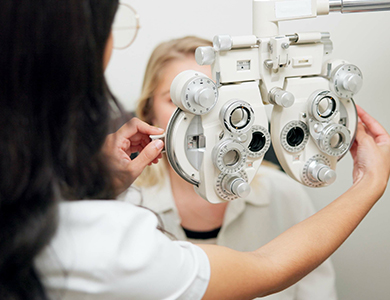
All Eye Care Services
Find personalized eye care excellence with our comprehensive services. From eye exams to advanced diagnostics, trust us for all your vision needs.

Keep In Touch
For non-urgent questions or to learn more about our services, contact us today!
© 2026 Longa Family Eyecare. All rights Reserved - Accessibility Statement - Privacy Policy -Terms & Conditions - Sitemap
Managed and Designed by 