What Happens During a Comprehensive Eye Exam?
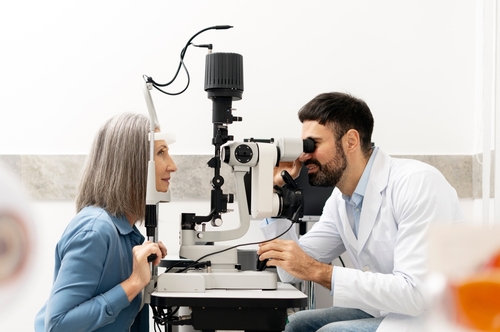
If you haven’t had an eye exam in a while, you may wonder what actually happens during a comprehensive eye exam. At Longa Family Eyecare, we believe patients feel more comfortable and confident when they know what to expect.
A comprehensive eye exam is not just about checking your glasses prescription—it is a thorough evaluation of your vision, eye health, and overall wellness.
Step-by-Step: What to Expect During Your Eye Exam
1. Case History and Health Review
Your eye exam begins with a discussion about your vision concerns, daily activities, and overall health. We review current vision problems, glasses or contact lens use, medical conditions, medications, and family history of eye disease. This helps us personalize your care.
2. Vision Testing
We check how clearly you see at distance and near and determine whether you need glasses or a prescription update. We also evaluate how well your eyes work together and focus.
3. Eye Pressure Check (Glaucoma Screening)
Measuring eye pressure helps screen for glaucoma, a condition that can damage the optic nerve without early symptoms. This test is quick and comfortable.
4. Eye Health Evaluation
We examine the eyelids, cornea, lens, retina, and optic nerve to detect conditions such as glaucoma, macular degeneration, cataracts, and diabetic eye disease.
5. Dry Eye and Ocular Surface Assessment
We assess the tear film and eyelids to identify dry eye disease or other ocular surface conditions that may cause burning, redness, or irritation.
How Long Does a Comprehensive Eye Exam Take?
Most exams take 30–60 minutes, depending on testing needs and whether dilation is recommended.
Questions Patients Commonly Ask
Does an eye exam hurt?
No. Eye exams are painless.
Will my eyes be dilated?
Dilation may be recommended to better evaluate eye health. Vision may be blurry for a few hours afterward.
Can I drive after my eye exam?
Most patients can drive, though sunglasses are helpful if dilation is performed.
How often should I have a comprehensive eye exam?
Most adults should have an eye exam once a year.
Why Comprehensive Eye Exams Matter
Even if you see well, eye disease can develop without symptoms. Regular exams allow early detection and prevention of vision loss.
Schedule Your Eye Exam Today
Your eyes deserve expert, personalized care. Call our office to schedule your comprehensive eye exam.
Longa Family Eyecare
Office Phone: 239-416-9894
Quick Links
Helpful Articles
article_category: cosmetic
article_category: eye surgery co-management
article_category: products
article_category: vision therapy
article_category: dogs
article_category: technology
article_category: general
article_category: eye health
article_category: aesthetics
article_category: services
article_category: faqs
article_category: exotic
article_category: large animal
article_category: contact lenses
article_category: surgical procedures
article_category: health
article_category: psychiatry
article_category: conditions
article_category: restorative
article_category: preventative
article_category: cats
article_category: eyeglasses
article_category: ocular disease management
[]
article_category: eye surgery co-management
article_category: products
article_category: vision therapy
article_category: dogs
article_category: technology
article_category: general
article_category: eye health
article_category: aesthetics
article_category: services
article_category: faqs
article_category: exotic
article_category: large animal
article_category: contact lenses
article_category: surgical procedures
article_category: health
article_category: psychiatry
article_category: conditions
article_category: restorative
article_category: preventative
article_category: cats
article_category: eyeglasses
article_category: ocular disease management
[]
Flowbite is an open-source library of interactive components built on top of Tailwind CSS including buttons, dropdowns, modals, navbars, and more.
Check out this guide to learn how to get started and start developing websites even faster with components on top of Tailwind CSS.
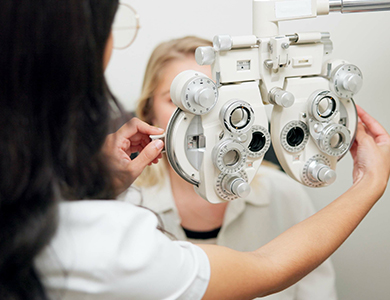
All Eye Care Services
Find personalized eye care excellence with our comprehensive services. From eye exams to advanced diagnostics, trust us for all your vision needs.

Keep In Touch
For non-urgent questions or to learn more about our services, contact us today!
© 2026 Longa Family Eyecare. All rights Reserved - Accessibility Statement - Privacy Policy -Terms & Conditions - Sitemap
Managed and Designed by 